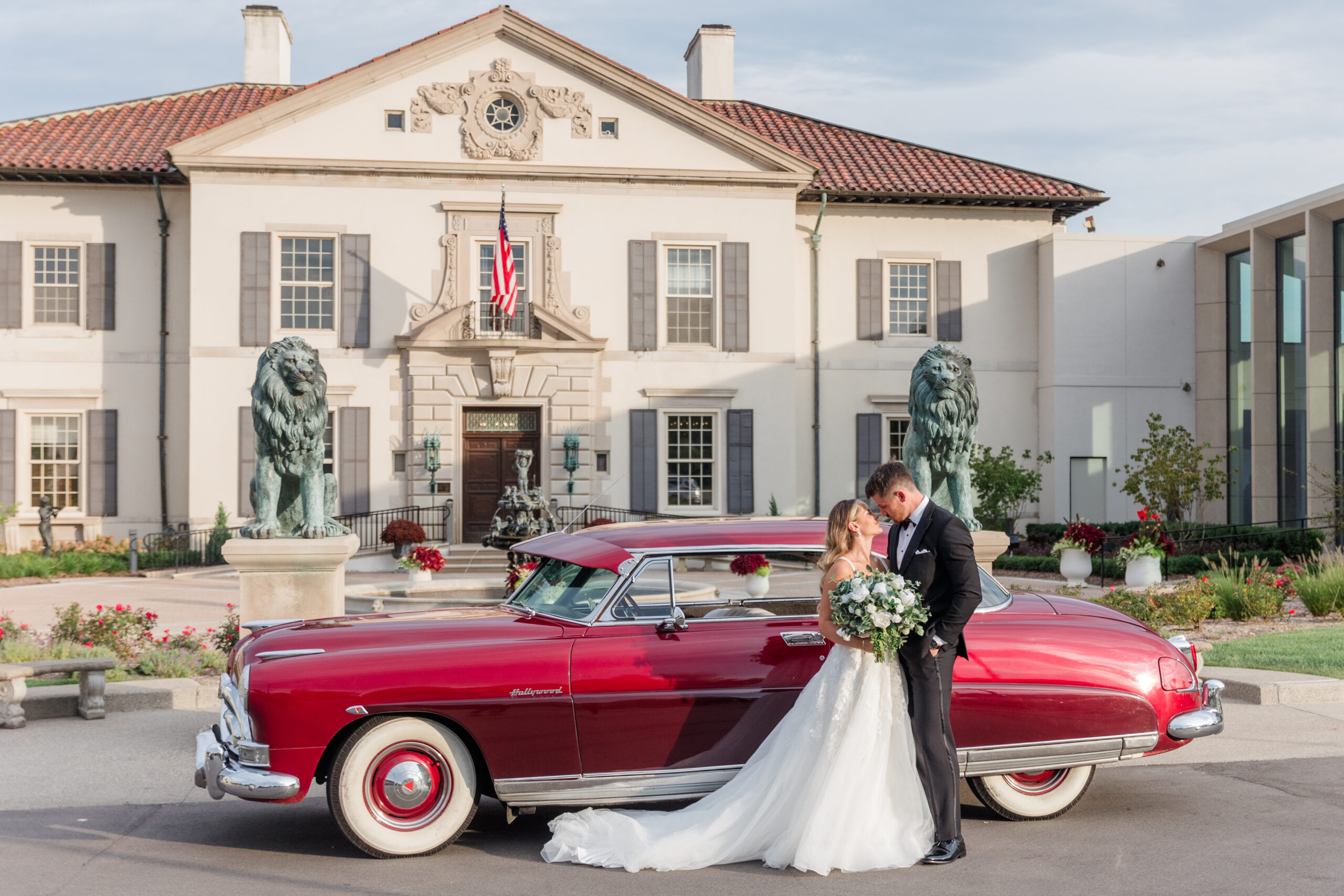
Your wedding day photography timeline, hour by hour
A couple spent an entire year choosing the perfect venue, tasting every cake, and obsessing over centerpiece height. Two days before the wedding, they texted their photographer a rough schedule. The result: rushed couple portraits, family formals that bled straight into cocktail hour, and golden light that came and went while everyone was still finishing group shots. The photos were fine. They could have been extraordinary.
Having a solid wedding day photography timeline in place is the difference between a day that flows and a day where every vendor is quietly stressed. It is not just a photo schedule. It is a communication tool that keeps your photographer, planner, DJ, caterer, and family members working from the same page. At Weddings by Cheyenne, a personalized timeline consultation is part of the wedding planning process so nothing gets squeezed or skipped. But even before that conversation, knowing the framework puts you ahead. Here is the full day, segment by segment, with real time allocations you can use right now.
Getting the day started: detail shots and getting-ready coverage
This is where most timelines fall apart before they even begin. Couples often underestimate how much time the morning phase demands, and that miscalculation shows up in compressed portrait time, rushed transitions, and a ceremony start that is already five minutes behind.
How early your photographer should arrive?
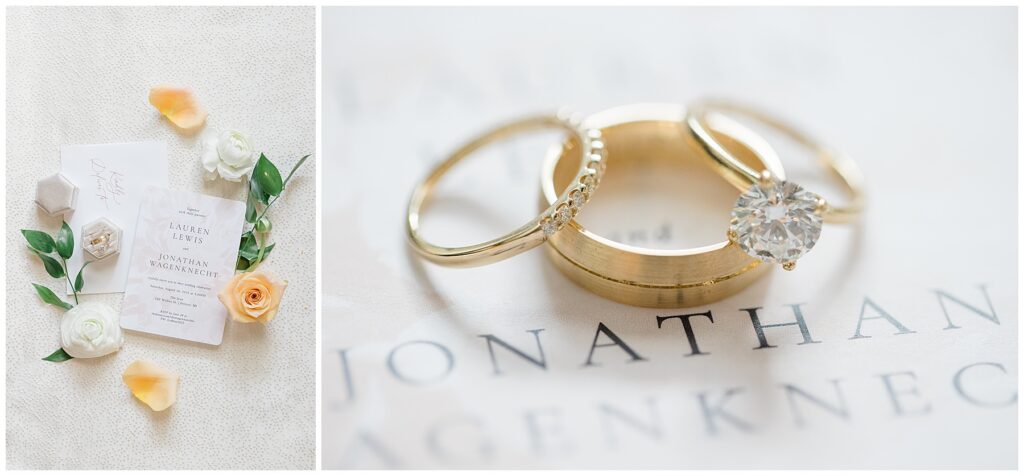
Detail photos should be captured 3-4 hours before the ceremony. For a 5:00 PM ceremony, that means your photographer arrives around 1:00 PM. Detail shots, flat lays of the dress, rings, florals, invitations, shoes, take 30, 45 minutes on their own, and they require items to be prepped and laid out before the camera arrives. That means coordination with your florist and getting-ready suite setup needs to happen even earlier than photographer arrival.
Getting-ready shots and the time they actually need
Getting-ready coverage runs 45, 90 minutes and overlaps partly with detail time. These candids include dressing, quiet moments with parents, and portraits with the wedding party. Hair and makeup are the most common delay point in this window. Bridal hair and makeup alone takes 2, 2.5 hours, and each bridesmaid needs another 1, 1.5 hours. Build a 15, 30 minute buffer into this phase specifically. It will get used. For typical timing expectations for bridal hair and makeup, see how long does wedding hair and makeup usually take.
The first look decision and how it reshapes your wedding day photography timeline
Whether you choose a first look or a traditional reveal at the altar, that single decision restructures the rest of your day. Neither is the wrong choice, but each requires a completely different timeline approach.
Why first look timing matters so much
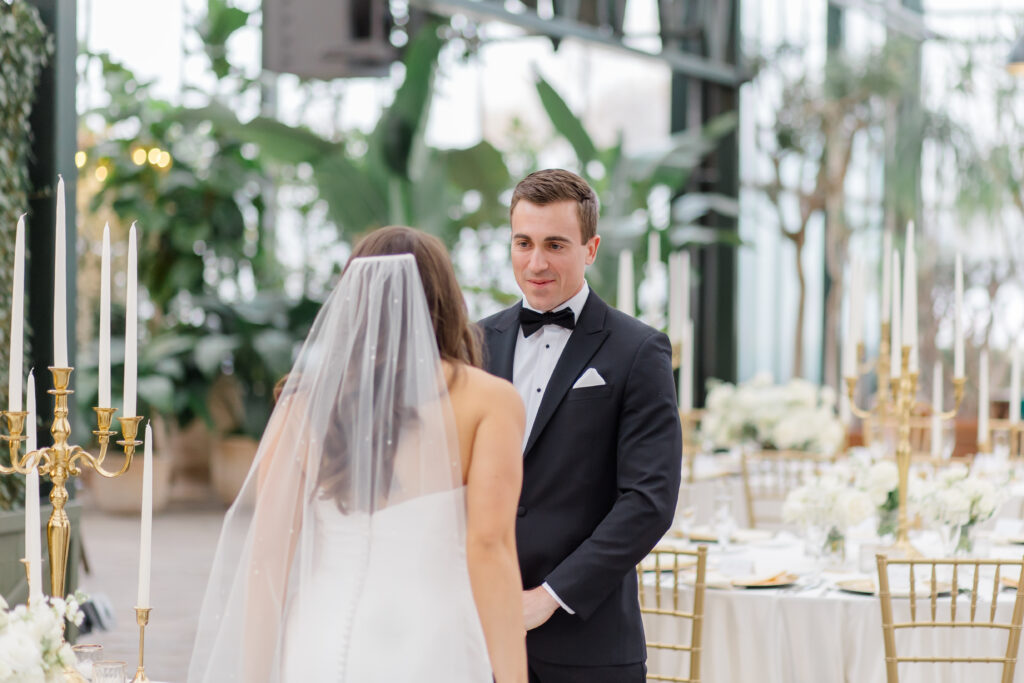
A first look is ideally scheduled 1.5, 2.5 hours before the ceremony. For a 5:30 PM ceremony, that puts the reveal around 3:00, 3:15 PM. What this unlocks is significant: you can complete a full round of couple portraits, wedding party photos, and some family shots before the ceremony even begins. The payoff is that you actually get to attend part of your own cocktail hour, talk to your guests, and enjoy the moment rather than disappearing for portraits while everyone else is drinking champagne.
What the timeline looks like without a first look
Skipping the first look shifts most portrait work into the post-ceremony window, which compresses into cocktail hour. The trade-off is honest: the experience feels more traditional and the altar reveal carries that anticipation to the ceremony. But the flexibility shrinks. Couples who go this route need to front-load family logistics carefully and accept that couple portraits will happen while guests are mingling. The cocktail hour becomes a portrait session instead of a reception preview. Both paths work, so the important thing is choosing intentionally and building your timeline for wedding photos around that decision from the start.
How long portraits actually take (and why couples always underestimate)
The portrait block is the most misunderstood segment in any wedding photo schedule. Most couples hear “45 minutes for couple portraits” and think that sounds like a lot. It is actually the realistic floor.
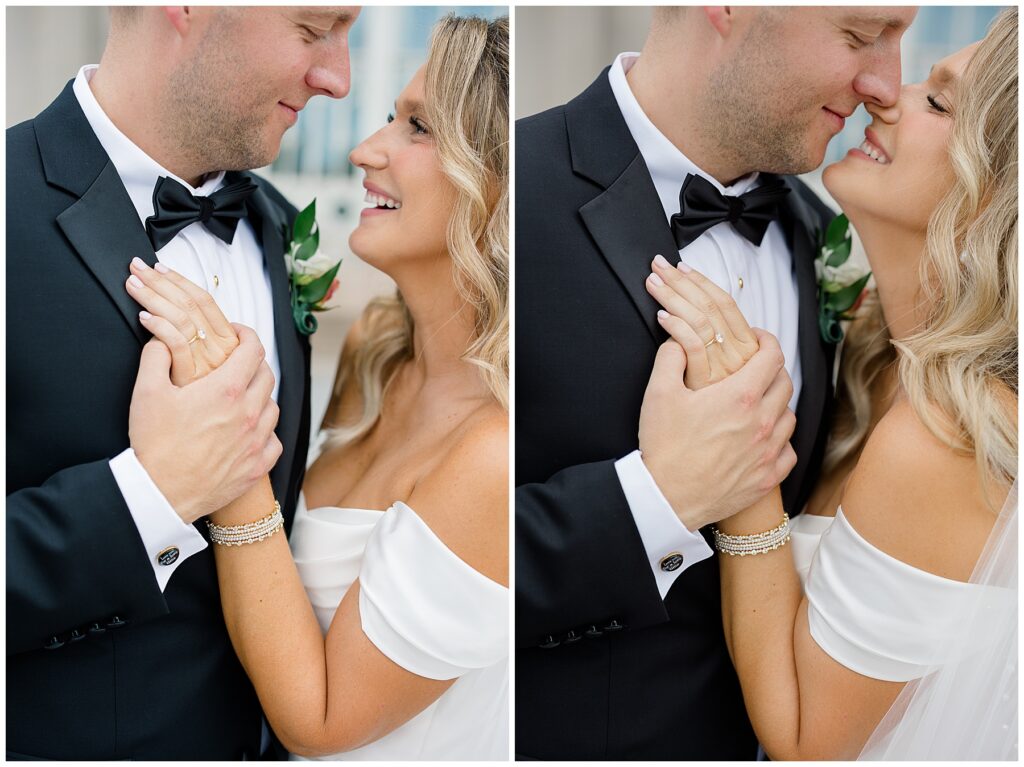
Forty-five minutes allows time to move between two or three locations, work different lighting angles, and capture the relaxed, in-between moments that tend to become the favorite photos. Sessions under 20 minutes force the photographer to grab only the essential frames with no room to breathe. The posed shots happen. The genuine ones do not. If your venue has multiple beautiful spots and you want photos that look like they came from different locations, protect this time block.
Wedding party and family groupings: building in enough time
Wedding party photos need 20-30 minutes for a standard group, with more time for larger parties or creative setups. Family formals run about 20-30 minutes for immediate family when a pre-shared list is guiding the groupings. A standard immediate family list covers roughly 10-14 groupings across both sides, including parents, siblings, and grandparents. The single most effective thing you can do is send your family the shot list in advance and assign one person, not yourself, to gather people between shots. Waiting for someone to wander back from the bar is exactly where timelines unravel.
Sample wedding day photography timeline: ceremony and cocktail hour
The ceremony itself is usually the most fixed part of the day. The hour surrounding it is where photographers do some of their best work and where timeline gaps most often appear.
Photography coverage during the ceremony
Most non-religious ceremonies run 20, 30 minutes. A Catholic mass can run 60-90 minutes. The timeline around the ceremony matters as much as the ceremony itself. Plan for the processional (5, 10 minutes for the procession itself, plus additional time for late guest seating), the ceremony, and a recessional plus outdoor greeting line (another 15, 20 minutes). This full window runs 60, 90 minutes in most cases, and it is one of the few parts of the day your photographer cannot speed up or rearrange.
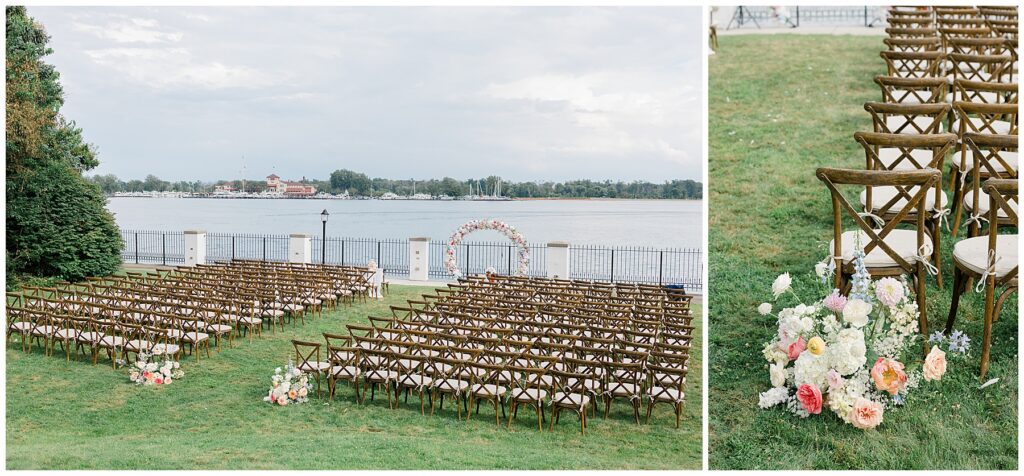
Using cocktail hour strategically for portraits
If you completed your first look portraits before the ceremony, the cocktail hour is mostly yours. You walk in with greet your guests, you eat the passed appetizers, you actually talk to your grandmother. If portraits are post-ceremony, cocktail hour becomes your portrait session, and it is also when your photographer captures venue details, reception setup, and candid guest moments. Trying to do all of that plus meaningful couple portraits in 60 minutes requires extremely tight coordination. Know which scenario you are in, and plan around it rather than hoping it works out.
Reception coverage from grand entrance to the last dance
The reception is the longest block of the day, but it has natural anchors that give it structure. Grand entrance, first dance, parent dances, toasts, cake cutting, and open dancing follow a fairly predictable order, and each segment has a realistic duration.
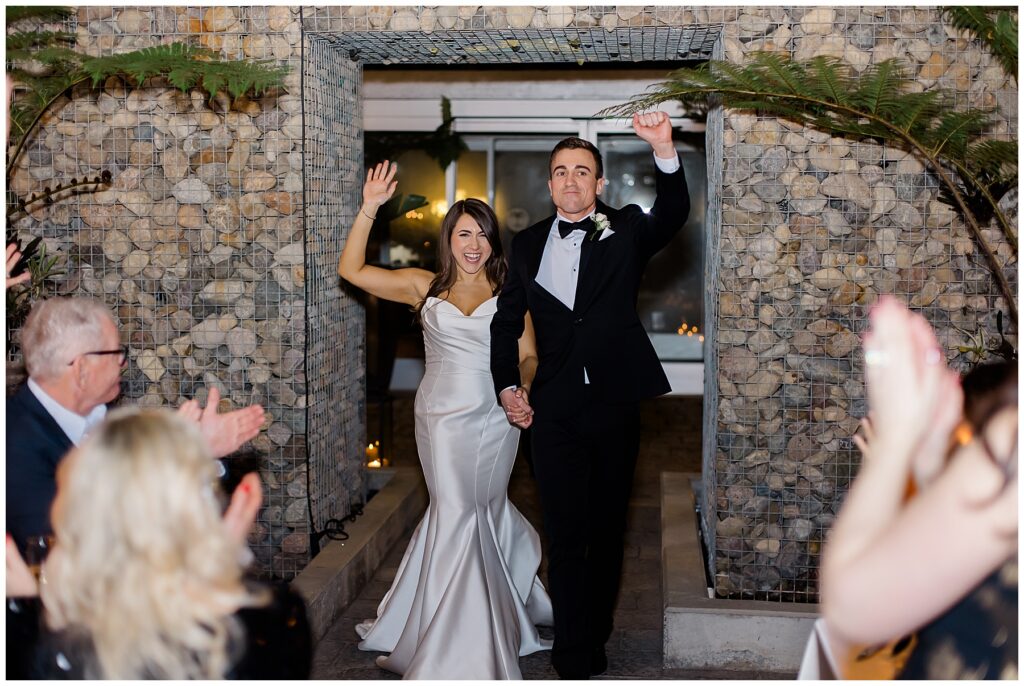
The key moments and their time blocks
A sample wedding photo timeline for the reception looks like this: grand entrance runs about 5-10 minutes, first dances and other special dances take 5-15min , toasts run 20, 30 minutes (sometimes longer, depending on how many people are speaking), dinner service takes 45, 60 minutes, and cake cutting needs about 5-10 minutes before open dancing begins. Photographers use dinner service as the window to take a short break, eat, reconnect on the timeline and with other vendors on what is needed before the dance floor opens. That break matters, and it should stay on the timeline!
Buffer time, golden hour, and finishing your vendor-ready timeline
Every time block in this guide assumes some things go smoothly. In real weddings, getting ready runs long, travel takes longer with a wedding party involved, and guests need time to be seated. Buffer time is not padding. It is how professional timelines actually function. When I help create your timeline I buffer to allow for those things (such as bathroom breaks, bustling and makeup touch ups!)
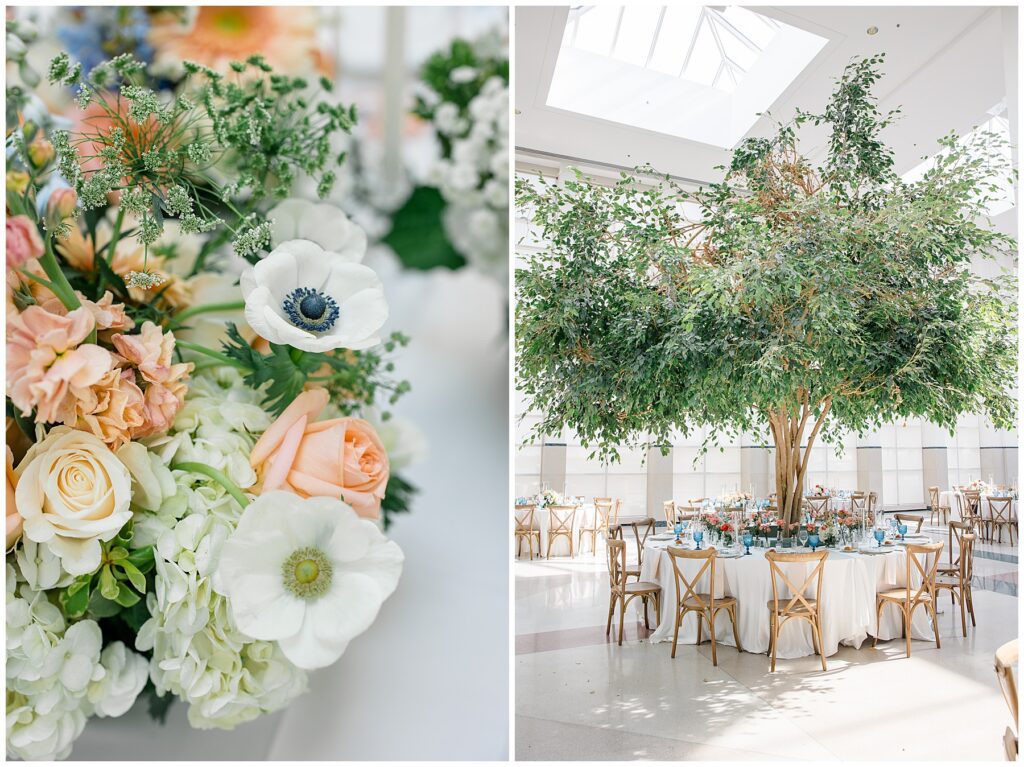
Scheduling golden hour portraits by season
Golden hour, the glowy time before sunset, produces the most sought-after light in wedding photography: warm, soft, and flattering. The timing shifts dramatically by season. In Michigan, a June wedding can have golden light from 7:30-9 PM. A November wedding peaks around 5:00, 5:30 PM. Look up your exact sunset time using an app like Phototime, which lets you enter your venue location and exact date. If this is something you are hoping for then build a 15-minute window into your reception timeline for a quick golden hour portrait session. I can help you do this as well! Most guests will not notice you stepped away, and the photos are worth every minute.
Turning your timeline into a document every vendor can use
Ideally, your finalized wedding photography schedule template should reach your photographer, planner, officiant, DJ/Band, and catering team at least a couple of weeks or more before the wedding, though check with each vendor, as lead times can vary. Include ceremony start time, location addresses with any tricky parking or access notes, portrait locations, and the cue for key moments like the grand entrance and cake cutting. Working with a photographer who offers a dedicated timeline consultation, as we do means most of this coordination is handled for you. The result is a timeline that is realistic, built around available light, and designed around what actually matters on the day. If you are working with a planner/coordinator then I will also work closely with them as well on the perfect timeline.
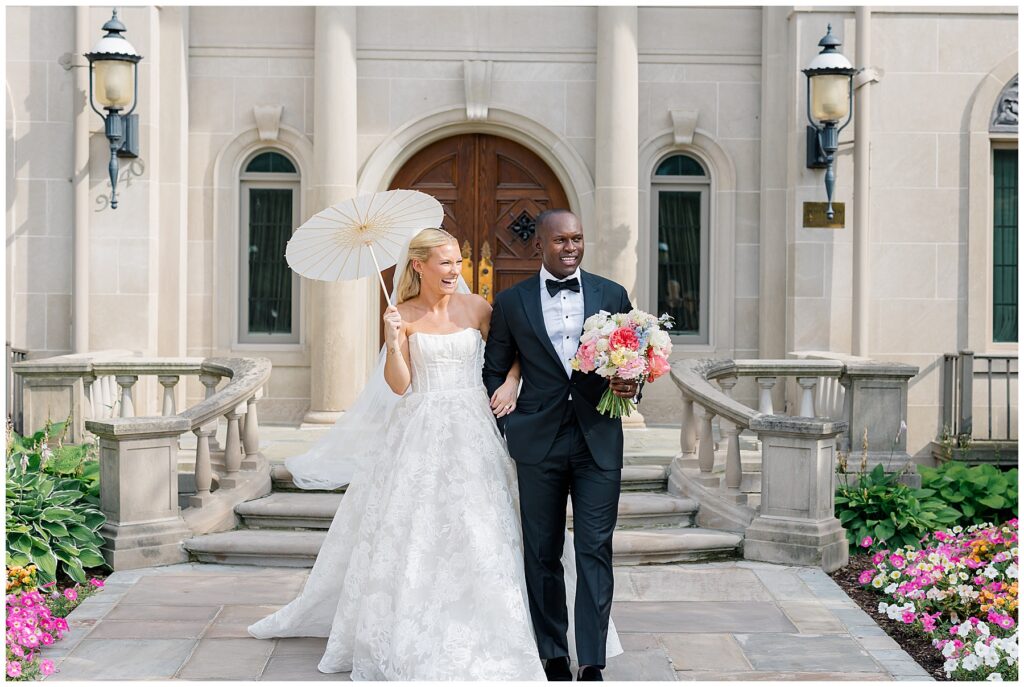
Build your wedding day photography timeline around the moments, not the clock
The goal of everything in this guide is simple: give every moment enough room to breathe. Start detail shots hours before the ceremony. Protect the time for couple portraits. Add buffer at every major transition. Plan around your sunset time, not around convenience. A tight timeline does not produce better photos. A well-built timeline does.
If you want a personalized wedding day photography timeline built specifically around your venue, ceremony time, and coverage package, that is exactly what the booking process at Weddings by Cheyenne includes. A clear plan means no last-minute scrambling, and more importantly, it means you can actually be present on your wedding day.


join the fun
GET OUR BEST WEDDING TIPS & ADVICE DELIVERED TO YOUR INBOX EVERY MONDAY MORNING
